How Much Does It Cost to Hire a Pilot? | A Proven Guide

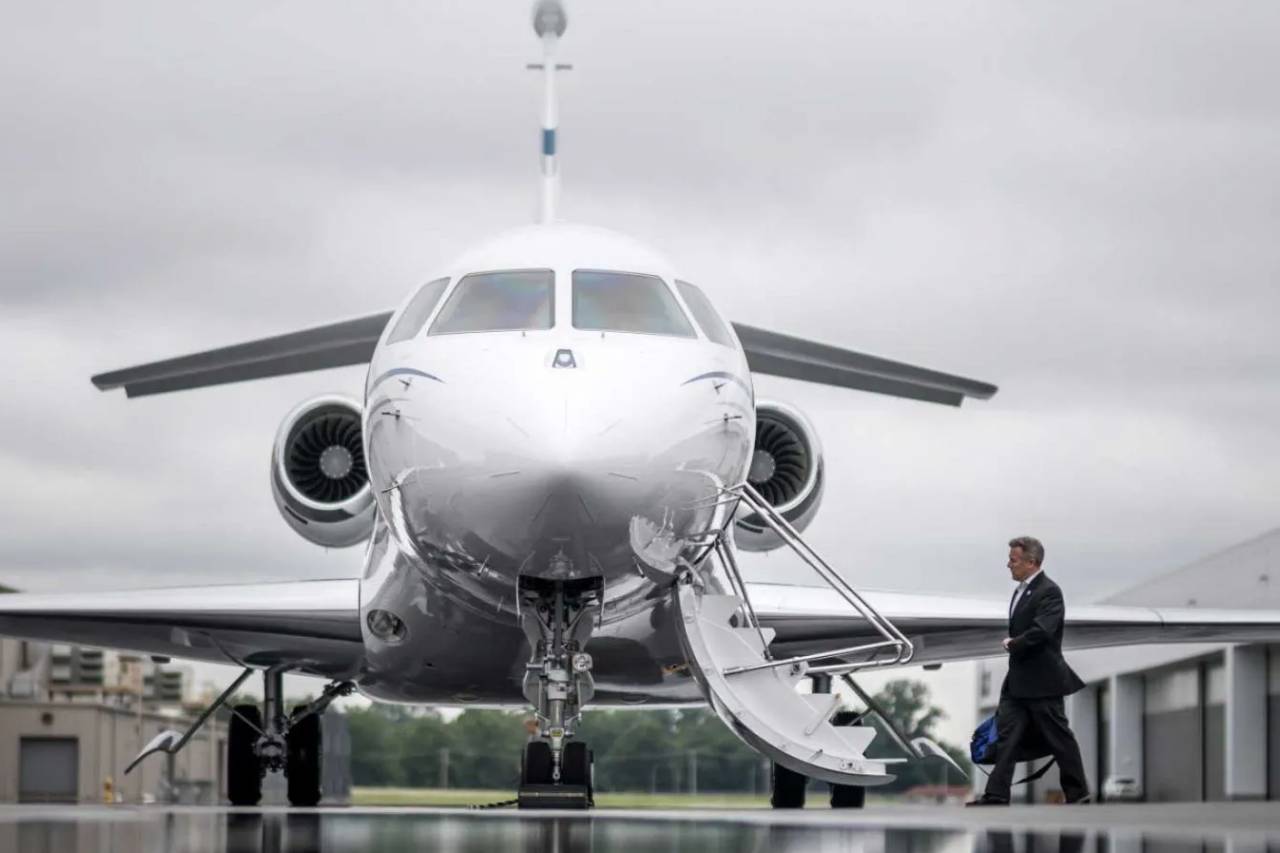
have you ever wondered how much does it cost to hire a private pilot, Hiring a private pilot sounds like something only rich people do. But many regular people also use private pilot services. If you own a small plane or travel often, having a pilot can save time, stress, and even money in the long run.

In this article, we’ll explain how much it costs to hire a private pilot and what you get for that price. Don’t worry we’ll keep it simple and clear.

What Are Private Pilot Services?

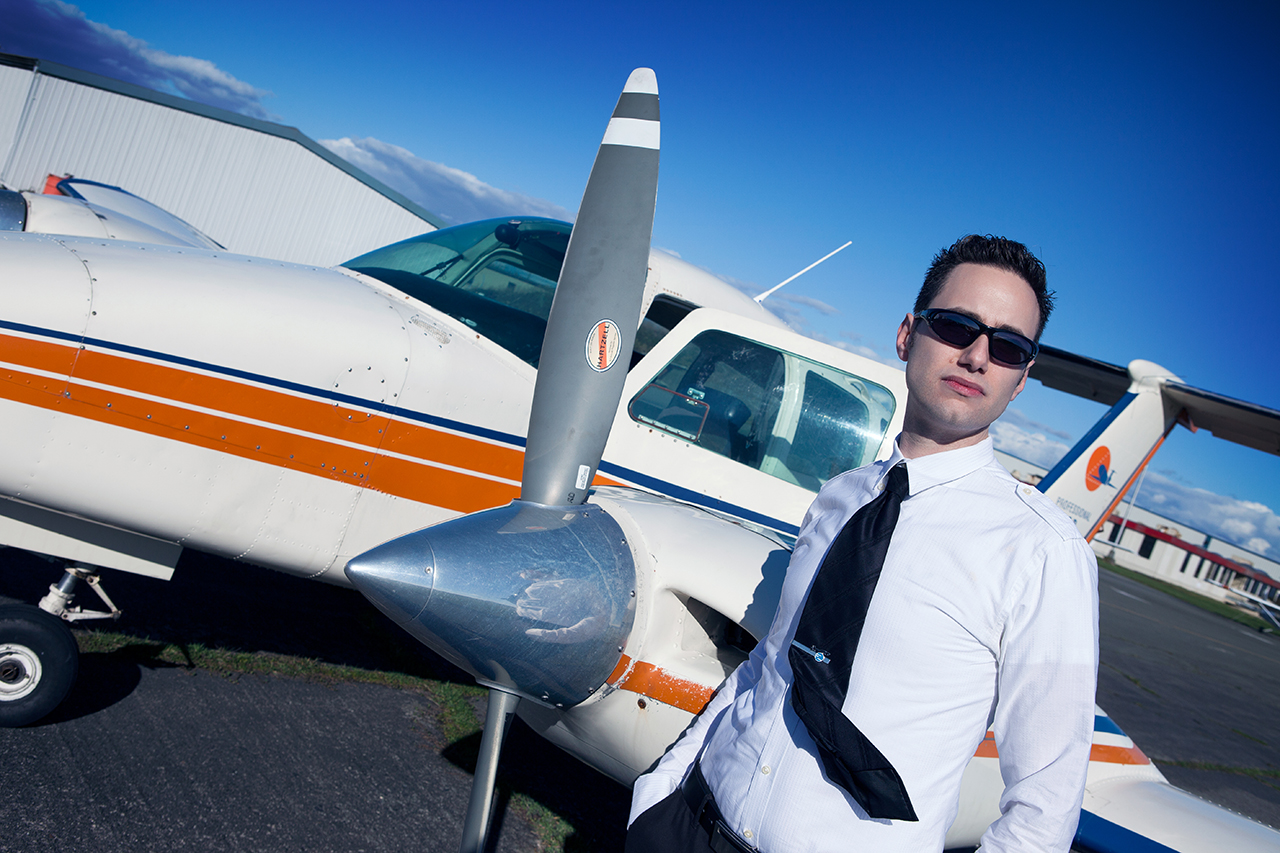
Private pilot services are when a trained pilot flies your plane for you. You may own the plane, or you might rent one and need a pilot to fly it. People use these services for business trips, family vacations, or even medical travel.

A private pilot is not the same as a commercial airline pilot. They don’t fly big passenger jets. Instead, they fly smaller planes, like single-engine or light twin-engine aircraft. Some also fly small jets, if they are licensed for that.

Private Pilots License Cost What You Need to Know

Cost for private pilot license (PPL) can cost anywhere from $10,000 to $18,000, depending on where you train and how long it takes to complete the lessons. This cost includes flight hours, ground school, instructor fees, medical exams, and testing. Most students need at least 40 flight hours, but many take around 60–70 to feel confident and pass the exam. While it’s a big investment, having a PPL gives you the freedom to fly for fun, travel on your schedule, or even work toward a future in aviation.

Private Pilot Insurance Cost: A Simple Breakdown

Private pilot insurance cost usually between $500 and $2,000 per year, depending on the type of aircraft you fly, how much experience you have, and how often you fly. If you own your plane, you’ll need both liability and hull insurance. Liability covers damage you may cause to others, while hull covers your aircraft. If you’re a renter, renter’s insurance is cheaper often around $100 to $300 per year. Cost of private pilot license can go up for new pilots, but as you gain more flight hours, your rates often get better.

Why Hire a Private Pilot?

Here are a few common reasons:

  • You own a plane but don’t want to fly it yourself
  • You need a pilot only for special trips
  • You want to fly in comfort and skip commercial flights
  • You don’t have time to learn how to fly
  • You need a pilot who knows specific routes or weather

Private pilot services help make air travel simple and stress-free.
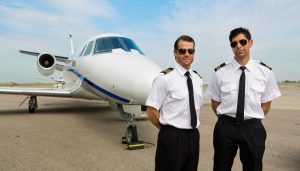
Private Pilot

What Affects the Cost of Private Pilot?

The cost of hiring a private pilot depends on a few key things:

1. Pilot Experience

Pilots with more hours in the air usually charge more. If the pilot has extra training like flying at night, in fog, or in large planes that will also raise the price. Still, hiring an experienced pilot is often worth it for safety and peace of mind.

2. Type of Aircraft

Flying a small single-engine plane is different from flying a jet. Some aircraft are harder to fly or require more skill. A pilot who can fly jets or complex aircraft will often charge more than one who only flies small planes.

3. Flight Time and Distance

Most pilots charge based on how long the flight takes. A short 2-hour trip will cost less than a full-day flight across the country. If your pilot has to wait for you between flights or stay overnight, that adds to the cost too.

4. Location

Your location also changes the cost. In busy cities or coastal areas, pilots may charge more because demand is higher. In smaller towns or rural areas, prices might be lower.

5. Pilots For Hire How Often You Fly

Hiring a pilot for a single flight may cost more per hour than if you hire one regularly. Some people keep a private pilot on contract or retainer, which can lower the cost if you fly a lot.

How Much Does It Cost to Hire a Pilot to Fly Your Plane

Hiring a pilot to fly your private plane can cost anywhere from $50 to $200 per hour for smaller aircraft, while professional pilots for larger or more complex planes may charge $75,000 to $150,000 per year if hired full-time. The exact cost depends on factors like the pilot’s experience, the type of aircraft, flight hours, and whether the job is part-time, full-time, or per-trip. Some pilots may also charge additional fees for overnight stays, travel expenses, or standby time.

  • Hourly Hire: Best for short trips or occasional flights, with costs ranging from $50–$200 per hour.

  • Full-Time Pilot: Ideal for frequent flyers, with annual salaries between $75,000–$150,000 depending on aircraft type and experience.

Recreational Pilot Insurance

Recreational pilot insurance is a special type of coverage designed for people who fly small aircraft for personal enjoyment rather than business or commercial use. It helps protect pilots from financial loss in case of accidents, damage to the aircraft, or injury to passengers or others. This insurance can also cover legal costs if a pilot is sued. Since recreational flying comes with unique risks, having the right policy gives peace of mind and ensures the pilot is not left with high out-of-pocket costs if something goes wrong.

Private Pilot License Cost

Cost to get private pilot license a Private Pilot License (PPL) can vary widely depending on location, flight school, and the type of aircraft used for training. On average, you can expect to spend between $8,000 and $15,000 to complete your training in the United States. This cost typically includes ground school instruction, flight hours (usually around 40–70 hours), instructor fees, exams, and study materials. Factors such as needing extra flight hours or taking lessons at a slower pace can increase the total price. It’s important to research different flight schools and ask for a detailed cost breakdown to plan your budget effectively.

How Much Does It Really Cost?

Private Pilot

Let’s look at common pricing types:

Hourly Rate

Many private pilots charge by the hour. Rates usually range from $50 to $150 per hour, depending on the pilot and aircraft type. A jet-rated pilot may cost even more.

Daily Rate

For longer trips or full-day flights, pilots often offer a daily rate. This can range from $300 to $800 per day. If the trip includes overnights or multiple stops, this is the better deal.

Monthly or Full-Time Pilot

Some aircraft owners hire a pilot full-time. A full-time pilot may earn $3,000 to $10,000 per month depending on experience, location, and job duties. This often includes flight time, planning, and managing the aircraft’s paperwork or maintenance.

Other Costs to Think About

Besides the pilot’s pay, there are other things you may need to cover:

  • Travel Fees: If your pilot has to fly or drive to meet you, you may need to pay for that trip.
  • Lodging and Meals: If the pilot needs to stay overnight somewhere, you’ll usually pay for the hotel and food.
  • Per Diem: Some pilots charge a small daily amount to cover meals and other travel needs.
  • Insurance: Some pilots carry their own insurance. Others may ask you to add them to your aircraft policy.
  • Pre-Flight Checks: Some pilots charge for time spent on safety checks and planning before the flight.

Private Pilot

Sample Cost Examples

Here are a few sample situations to help you understand what you might pay:

  • Short Flight (2–3 hours):
    $300–$450 in pilot fees, plus any travel costs
  • Weekend Trip (2-day hire):
    $800–$1,200 for the pilot, plus hotel and meals
  • Full-Time Monthly Pilot:
    $5,000–$9,000 per month on salary, depending on experience and work scope

These are rough estimates. Prices change based on the location, pilot, and flight details.

Ways to Save Money

If you want to lower the cost of private pilot services, here are a few tips:

  • Book Early: Don’t wait until the last minute. Rates can be higher for short-notice flights.
  • Use the Same Pilot Often: If you fly often, hire the same pilot. You may get better rates and trust over time.
  • Group Flights: If you’re planning multiple flights close together, schedule them in one trip. That way you save on travel and hotel costs for the pilot.
  • Ask for a Full Quote: Before you hire, ask for a detailed cost list. That way there are no surprises later.

Conclusion

Hiring a private pilot gives you freedom, safety, and ease especially if you travel often or own a plane. The price depends on things like flight time, pilot skill, and trip details. Most pilots charge between $50 and $150 per hour, or $300 to $800 per day, and full-time pilots may earn several thousand a month.

Before you hire, ask questions. Know what’s included in the price. That way, you’ll feel confident in your choice and enjoy the skies without worry.
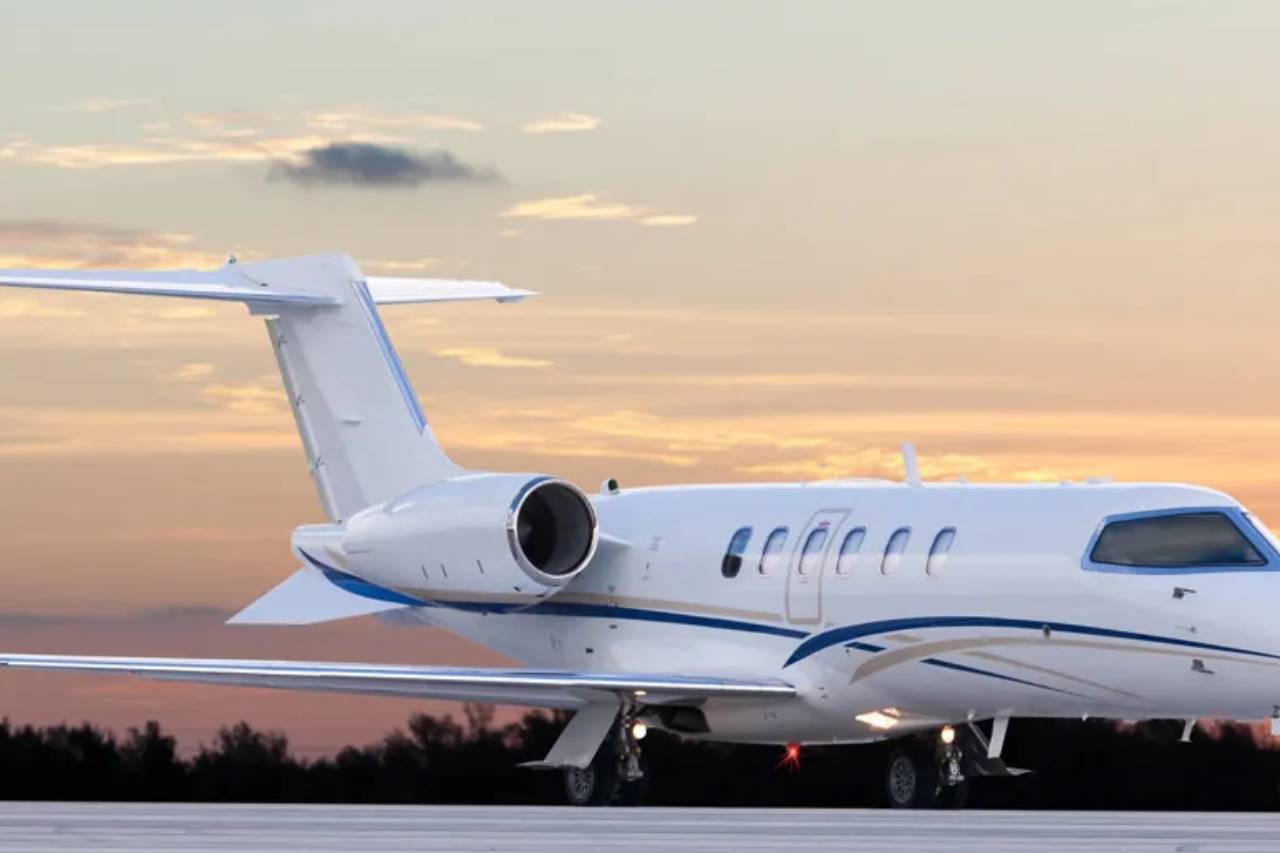
The Role of Professional Aircraft Management in Ensuring Safety and Compliance

Owning an airplane is a big dream for many. But flying it safely and legally is not as easy as it looks. Every flight needs planning, checks, trained crew, and a lot of paperwork. That’s why many aircraft owners turn to Professional Aircraft Management companies. These experts handle everything behind the scenes to keep the plane airworthy, safe, and in full legal compliance.

Let’s explore how they do that, step by step.

What Is Professional Aircraft Management?

Professional aircraft management means hiring a company to look after your airplane. This team does more than just park the plane or fuel it up. They handle flight planning, crew hiring, maintenance, insurance, safety checks, and make sure all rules are followed.

Owners who use these services don’t need to worry about tracking flight logs, dealing with paperwork, or managing problems. The team does it for them—quietly and professionally.

professional aircraft management

Keeping the Plane Safe

Safety is the most important part of flying. Every part of the aircraft needs to be checked regularly. Professional management teams have a schedule for every type of inspection—some happen daily, others weekly or after a certain number of flight hours. This makes sure no problem is missed.

Pilots and crew members also get regular training. They learn how to handle emergencies and how to keep passengers safe. Before every flight, the team checks the weather, route, and plane systems to avoid danger.

If anything goes wrong, the management team already has a plan in place. They are trained to respond quickly and keep everyone safe.

Following the Rules (Compliance) About Professional Aircraft Management

Every country has its own set of aviation rules on professional aircraft management. These are made to protect passengers, pilots, and people on the ground. But keeping up with all these rules takes time and skill.

Aircraft management teams make sure the plane meets all the rules from bodies like the FAA, ICAO, or EASA. They track licenses, keep inspection records, and prepare for surprise checks from aviation authorities. This helps avoid fines or grounding of the aircraft.

They also keep pilot certifications up to date and make sure flight operations follow legal guidelines. With their help, the aircraft stays fully compliant, no matter where it flies.

Why Aircraft Owners Choose Management Services

For most owners, time is limited. Managing an aircraft is a full-time job—and missing just one rule or repair can cause problems. That’s why owners choose to hand off this responsibility to professionals.

When a trusted team is managing the aircraft, owners enjoy smoother flights, fewer delays, better maintenance, and full peace of mind. Their plane is always ready and always legal to fly.

Smart Use of Technology

Today’s aircraft management companies use smart tools and software to do their jobs better. These systems help track when the plane needs repairs or when a part is wearing out. They also send alerts for upcoming safety checks or expiring documents.

Real-time monitoring tools track the aircraft during flight and report performance and weather changes. All the data is stored safely, so nothing gets missed or lost.

This use of technology helps save money, avoid delays, and keep everything running smoothly.


The Role of the Crew

Every flight needs a skilled team, and the management company also handles this. They hire qualified pilots, plan their working hours, and make sure they get the right amount of rest.

The crew also goes through training every few months to stay sharp. This includes learning about new safety tools, handling emergencies, and staying up to date with rules.

A well-managed crew means safer and more comfortable flights for everyone on board.

professional aircraft management

Repairs and Maintenance

Even the best planes need repairs. Over time, parts wear out or need updates. The management team follows a strict maintenance schedule based on flight hours, time, and manufacturer guidelines.

They also track the history of each repair and make sure only approved parts and professionals are used. This keeps the aircraft in great shape and ready to fly whenever needed.

Insurance and Legal Support

Like cars, airplanes need insurance. But aircraft insurance is more complex. It covers the plane, the passengers, and any damage that could happen on the ground.

The management team finds the best insurance policy, makes sure it’s always up to date, and helps handle any claims or legal issues. This saves owners from dealing with hard paperwork or stressful situations.

What Does Aircraft Management Cover?

Here’s a simple table showing what professional aircraft management teams handle:

Area What’s Included
Safety Inspections, checks, emergency planning
Crew Management Hiring, training, scheduling
Maintenance Repairs, part replacements, service logs
Compliance Legal paperwork, records, airworthiness certification
Flight Operations Route planning, scheduling, fuel tracking
Technology Use Monitoring systems, alerts, real-time updates
Insurance & Legal Coverage setup, contract help, risk protection

Final Thoughts

Flying should be fun, not stressful. But keeping a plane safe and legal is a big job. That’s why professional aircraft management is so helpful. These expert teams take care of every detail—from safety checks to pilot schedules to legal compliance.

For aircraft owners, this means less worry, fewer risks, and more time to enjoy the skies. Whether it’s for personal travel or business, professional management makes owning a plane easier and safer.

If you’re thinking about owning an aircraft, or already have one, working with a trusted management company is one of the smartest decisions you can make.

What Are Aircraft Management Services and Why Are They Important?

Owning a private jet is exciting, but managing it can be overwhelming. From safety checks to scheduling flights and handling paperwork, there’s a lot to take care of. That’s where aircraft management services come in. They handle all the details so you can simply enjoy the luxury of flying without the hassle.

In this article, we’ll explain what aircraft management services are, why they matter, and how they can help you save time, money, and stress.

What Are Aircraft Management Services?

Aircraft management services are professional services that take care of every aspect of owning and operating a private jet. These companies manage everything from scheduling flights to hiring pilots, maintaining the aircraft, and ensuring compliance with aviation regulations. Instead of doing all of this yourself, you can rely on experts to handle it.

Why Are Aircraft Management Services Important?

Aircraft Management Services

1. Safety and Compliance

Private jets have many regulations that need to be followed to keep them safe and legal. Aircraft management services ensure your jet meets all required safety checks and follows regulations. They conduct regular inspections and keep your plane in top condition, so you can always fly with confidence.

2. Time-Saving

Managing a jet is a full-time job. From handling crew schedules to organizing maintenance, it can be exhausting. Aircraft management companies take care of everything, freeing up your time. You can focus on your work or relaxation, while the management company takes care of the daily operations.

3. Cost-Efficiency

Owning a jet is expensive. But aircraft management services help reduce costs. They have access to discounts on fuel, parts, and maintenance, which can lower your overall expenses. These companies also help plan flights efficiently, saving you time and fuel.

4. Keeping Your Jet in Top Condition

A well-maintained jet lasts longer and keeps its value. Aircraft management services make sure regular maintenance is done and any issues are fixed before they become bigger problems. This proactive approach ensures your plane is always in great shape and ready to fly.

5. Charter Revenue

Aircraft Management Services

When you’re not using your jet, it can sit idle. But with aircraft management, you can make money by renting it out for charter services. These companies handle the charter bookings, and you can earn revenue while the plane is not in use.

What’s Included in Aircraft Management Services?

Aircraft management companies offer a range of services to keep your plane running smoothly. These typically include flight planning, managing pilots, ensuring regular maintenance, and taking care of the aircraft’s insurance and legal requirements. They may also handle charter bookings and financial reporting, giving you a complete package that covers every aspect of jet ownership.

Here’s a quick look at what these services include:

Service Description
Flight Operations Planning flights, permits, and scheduling
Crew Management Hiring and managing pilots and crew members
Maintenance Regular safety checks, repairs, and servicing
Fuel Management Coordinating fuel purchases and ensuring efficient fuel use
Charter Management Renting out the plane when not in use, and handling bookings
Insurance & Compliance Managing insurance coverage and keeping up with aviation regulations
Financial Reporting Providing monthly cost reports, including maintenance, fuel, and operational expenses

Who Uses Aircraft Management Services?

These services are ideal for different types of jet owners:

Aircraft Management Services

  • Private Jet Owners: If you own a private jet and don’t want to manage the details yourself.
  • Business Jet Owners: Companies that need to operate jets for business but want to avoid the complexity of managing them.
  • Fractional Jet Owners: People who own a share in a jet and want someone else to handle the operations.

In short, anyone who owns a private jet or is involved in its use can benefit from these services.

How to Choose an Aircraft Management Company

When selecting an aircraft management company, it’s important to choose one with the right experience and services. A good company will have:

  • Experience and certifications: Make sure they are licensed by the appropriate aviation authorities.
  • Range of services: They should offer comprehensive services such as crew management, maintenance, flight planning, and compliance.
  • Clear cost structures: Understand how they charge and make sure there are no hidden fees.
  • Reputation: Look for reviews or ask for references from other jet owners to ensure the company is reliable.

Conclusion

Aircraft management services make owning a private jet much easier. They save you time, money, and reduce stress by handling all the operational tasks. Whether you need full-service management or just want someone to take care of maintenance and compliance, these services make jet ownership more enjoyable and efficient.

If you own a jet, consider using an aircraft management service to ensure your plane is always ready to fly safely and efficiently. Let the professionals take care of the details so you can focus on enjoying your jet to the fullest.

The Journey to Becoming a Certified Private Pilot: Step-by-Step Guide

Dreaming of flying your own plane? Whether it’s for fun, business, or personal travel, becoming a Certified Pilot is an exciting achievement. It opens the door to new experiences and provides you with the freedom to fly. In this guide, we’ll take you through the process step-by-step to help you understand what’s involved in becoming a certified private pilot.

What is a Certified Private Pilot?

A Certified Private Pilot is someone who holds a Pilot License (PPL), allowing them to operate an aircraft for non-commercial purposes. This means you can fly family, friends, or for personal trips, but you cannot charge for your services. To earn this certificate, you must complete specific training, pass exams, and demonstrate flying skills to the FAA.

Private Pilot

Step 1: Know the Requirements For A Certified Private Pilot

Before you get started, it’s important to understand the basic requirements needed to become a certified pilot:

Requirement Details
Age At least 17 years old.
Medical Certificate Must pass a Class 3 Medical Certificate from an FAA-approved doctor.
Language Must be able to speak, read, write, and understand English.

These requirements ensure you’re physically and mentally ready to handle the responsibilities of flying.

Step 2: Find the Right Flight School

Choosing the right flight school is essential to your journey. There are two main types of flight schools:

  • Part 61 Schools: These schools are more flexible, allowing you to progress at your own pace.
  • Part 141 Schools: These schools are more structured and follow specific FAA regulations.

Make sure the school you choose is FAA-approved. The school will provide you with the training and equipment needed to succeed. Consider the location, cost, and reputation when making your decision.

Step 3: Start Ground School

Ground school is the classroom part of your training. Here, you’ll learn all the theory behind flying. The topics you’ll cover include:

  • Weather patterns
  • Airspace rules
  • Navigation
  • Aircraft systems

Ground school is essential for understanding the technical side of aviation and prepares you for the written knowledge test. You can take ground school in-person or online, depending on your preference.

Step 4: Begin Flight Training

Now it’s time to get into the air! You’ll start learning how to control an aircraft under the guidance of a certified flight instructor (CFI). This stage is where you gain hands-on experience.

During your training, you’ll need to log at least 40 flight hours, which includes:

  • Dual Flight Hours: Flying with your instructor.
  • Solo Flight Hours: Flying by yourself, once you’re ready.
  • Cross-Country Flights: Longer flights that help you learn navigation.
  • Night Flights: Flying in low-light conditions to build more experience.

You’ll practice maneuvers, emergency procedures, and basic flying skills. This is where you get comfortable in the cockpit.

Step 5: Pass the Written Knowledge Test

Once you’ve completed ground school, it’s time to take the written knowledge test. This is a multiple-choice exam that covers everything you’ve learned so far, including airspace, weather, navigation, and regulations.

The exam is based on the FAA’s official Pilot Knowledge Test guide, and you’ll need to score at least 70% to pass. To prepare, you can use study guides, online courses, and practice exams.

Step 6: Take the Check Ride

Private Pilot

The check ride is your practical flight test. It’s the final step before you earn your Pilot License. During the check ride, you’ll fly with an FAA examiner, who will test your skills by asking you to complete various maneuvers, such as:

  • Climbing, turning, and descending
  • Emergency procedures
  • Navigation and flight planning

You’ll need to demonstrate your ability to fly safely and efficiently. If you pass, you’ll receive your Private Pilot Certificate, which means you’re officially a certified private pilot!

Step 7: Start Offering Certified Private Pilot Services

With your new license, you can start offering Certified Private Pilot Services. This allows you to:

  • Fly for personal trips: Travel with friends or family for vacations or leisure.
  • Business travel: Use your skills to fly for work-related trips.
  • Special events: Provide flights for special occasions, like scenic tours or aerial photography.

However, remember that you cannot charge for your flying services. The FAA restricts commercial use unless you get further certifications.

Step 8: Keep Improving Your Skills

Even after you’ve earned your Pilot Certificate, the learning doesn’t stop. To stay current and improve, you’ll need to continue flying regularly. You can also pursue additional ratings, such as:

  • Instrument Rating: Allows you to fly in less-than-ideal weather conditions.
  • Multi-Engine Rating: Lets you fly aircraft with more than one engine.

The more you fly and practice, the better pilot you’ll become.

Conclusion

Becoming a Certified Private Pilot is a rewarding experience that opens up a world of opportunities. By following these steps, from understanding the requirements to passing your check ride, you’ll be ready to take flight. Whether you’re flying for fun, business, or offering certified private pilot services, the sky is yours to explore.

Call Now Button